Data Moves Everything Around Me (D.R.E.A.M.)
- Jan 6, 2025
- 3 min read
Get the stats—analytics where it’s at, yo. Okay, but on a serious note, data really is everything. Good, reliable data has been a game-changer since the times of Sun Tzu and the Three Kingdoms, and now, in the information era, all that "information" we value is essentially processed data.
So, What Is Data?
Data is anything from which we can infer knowledge. From that knowledge, we process and build information. It could be anything: the number of orders last quarter, the location of your enemies, or even the number of that cutie on the beach (hey, priorities). But why is data so important? Isn't actually doing the work more crucial? Knowing stuff is all nice and dandy, but what’s the point?

Making Decisions with Data
Data allows us to make correct decisions and take the right actions. Let me give you an example. A few years ago, I climbed to 6,000 meters in Bolivia, on Huayna Potosí. The summit night was pitch dark. All I had was a headlamp with visibility of five meters—just enough to see the person in front of me.
With that limited data, it was incredibly difficult to decide where to go. There were ice walls, crevasses, cliffs, and steep falls all around me. Taking a wrong step could easily lead to failure—or even death. Now, imagine if I had more data, like a guide who knew the path or better lighting to illuminate the terrain. That additional information would’ve made decision-making much clearer.
Now, think about leading a big corporation on that same mountain. Your decisions affect everyone following you. Sure, you can wing it, but that can lead to some serious issues. As Sun Tzu says, “If you know the enemy (the mountain path) and know yourself (your team’s capabilities), you will win every battle.” Good data gives you the power to choose the best actions, minimizing risks and maximizing success.

The Reality of Imperfect Data
Of course, perfect data is a dream. You’ll never know everything—what all your customers think, the exact plans of your competitors, or what your date wants to eat (Even the simplest choices can benefit from the right data). We live in a world of imperfect data. But that doesn’t mean we should ignore what we do have.
Recently, I had a client reporting critical issues. At first, we jumped straight into problem-solving mode, but it wasn’t working. Tensions rose. That’s when I shifted gears and started collecting more data, even if the client wasn’t fully cooperative. Soon, it became clear the problem wasn’t code-related but a hidden server issue. The only way to figure that out was by gathering and analyzing data.
Balancing Action and Analysis
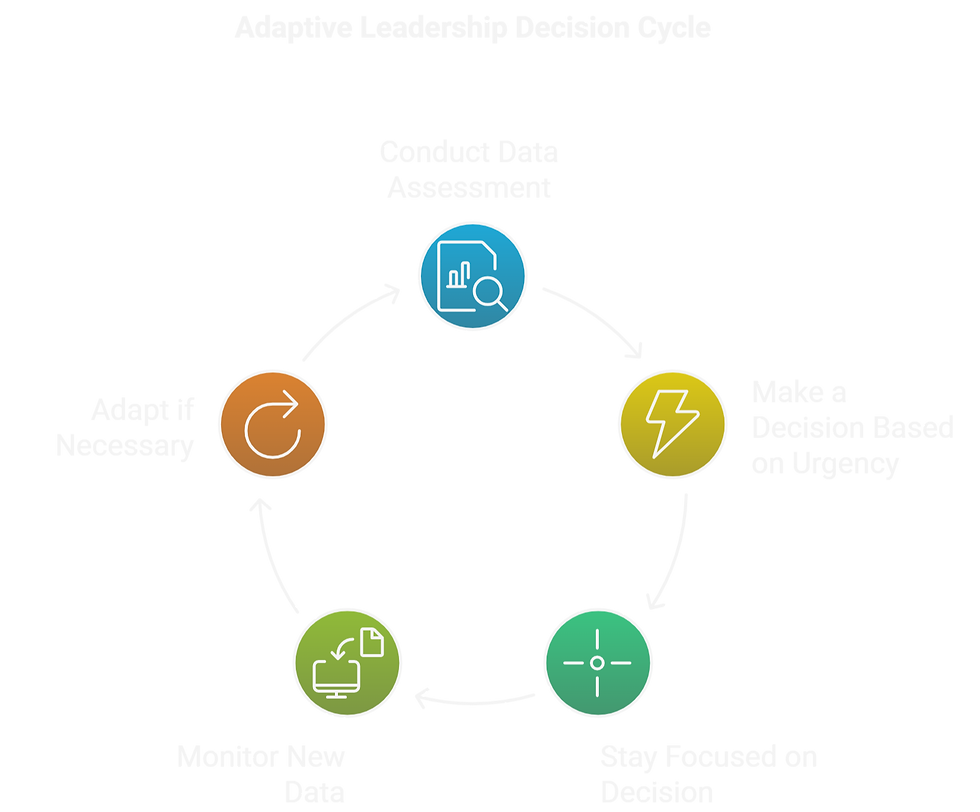
But then do we need to stay immobile while Vandals are sacking Rome? No way. As a leader, you need to run a quick risk assessment. What does the current data suggest about your possible actions? How likely are they to succeed? What’s the cost of failure in terms of time, resources, or assets? And perhaps most critically, how urgent is the situation? Leaders must make decisions that are both fast and reliable, leaving room to pivot if needed.
Once you’ve made your decision, stay focused. Watch for new data that might justify a pivot, but don’t get paralyzed by second-guessing. Remember Eisenhower’s words: “Plans are worthless, but planning is everything.” Planning with data gives you the flexibility to adapt while staying on course.
Closing Thoughts
Whether you’re navigating a mountain, leading a company, or figuring out what your date loves to eat (hint: seafood might be a safe bet), data is your guide. Use it wisely, stay flexible, and always keep an open mind. The right data, even if imperfect, can make all the difference between success and failure.


Comments