When Transparency Dies, So Does Strategy
Transparency sounds like one of those buzzwords you slap on a slide deck.
Everyone says they want it.
Few actually make it safe.
Most people are quietly afraid of it — even if they won’t say it out loud.
You’ve probably thought it yourself:
“If I tell the client what’s really going on, they’ll flip.”
“Let’s just fix it and hope nobody asks.”
I’ve been there. But most of the time, the fear is bigger than the reality. What really matters is whether the person in charge is the kind of person who shoots the messenger or listens.

⚔️ Case Study: The Emperor Who Got Himself Lied To
Let’s go back to the Second Opium War in 1800s China.The Qing emperor wanted honesty or so he said. In practice, bad news got you punished. Hard. So his ministers stopped telling him the truth.
While British troops were literally marching through Chinese cities, the emperor was still hearing,
“We’re winning!”
By the time the truth reached him, British troops were already in his palace.
When transparency dies, strategy dies right after.
💻 We’re Not in Imperial China — But It’s Not That Different
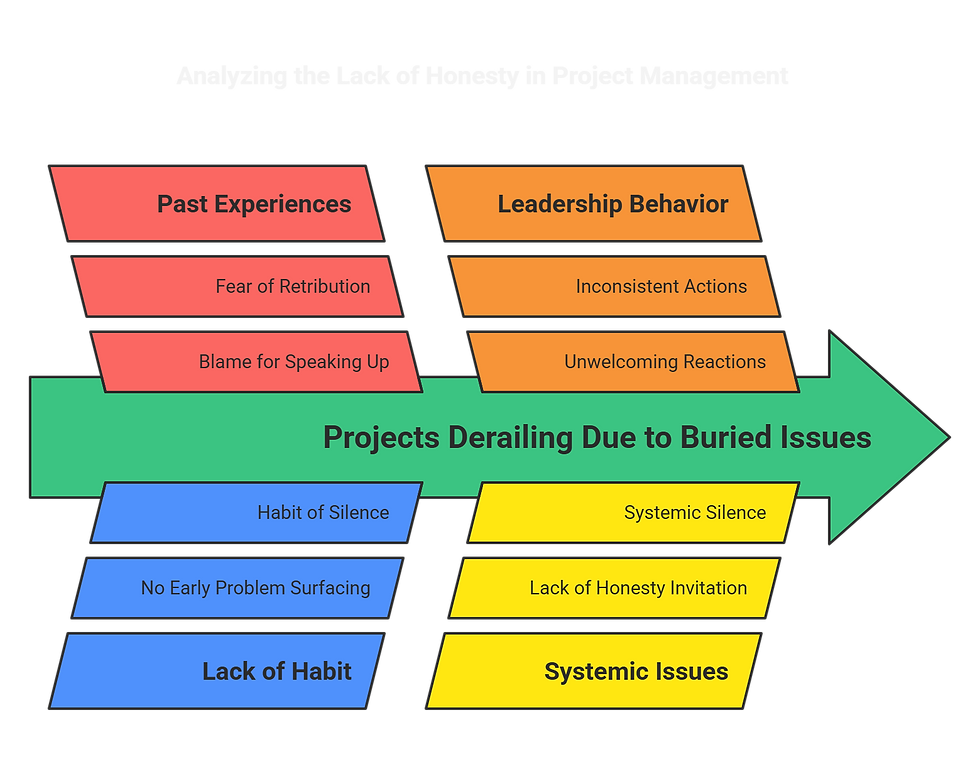
No one’s getting executed for flagging a delay. But people stay quiet for the same reasons:
Last time someone spoke up, they got blamed.
No one built a habit of surfacing problems early.
Leadership says they want honesty, but their reaction says otherwise.
And so stuff gets buried. Quietly. Projects derail without anyone noticing until it’s too late.
I’ve seen it too often — not because people are lazy or dumb. But because the system doesn’t invite honesty.
🚫 More Spreadsheets Won’t Fix That
Transparency isn’t about dumping everything into a Slack channel and calling it a day. It’s about making sure the right people actually see what matters and feel safe saying what’s wrong.
Agile gets this right sometimes. Reviews, demos, check-ins, when done well, they build trust and help catch issues before they explode.
I’ve run teams where adding these review loops stopped waterfall-style disasters. They didn’t slow us down. They saved our asses.
Still I’ve had mentees ask, “But won’t that just make us look like we failed?”
It’s a fair fear. But unless your stakeholders are psychos, they’ll respect the honesty .And if they are psychos, better to find out now.
👀 Watch Out for the Transparency Trap
One warning: if there’s no psychological safety in the team, more transparency just turns into surveillance. People start feeling like they’re always being watched. That’s not transparency that’s control.
So don’t shove transparency down people’s throats. Build the trust first. Then turn up the clarity.

What to Actually Do:
Don’t assume people feel safe speaking up — ask them
Use retros to find trust gaps, not just timeline slips
Talk in 1-on-1s about where transparency actually helps
Don’t just “accept” bad news — reward it
Transparency only works if people believe it’s safe to be honest. No fear, no spin, no games.
If they don’t believe that? You’re not leading. You’re just waiting for the next surprise attack on your palace.


Comments